
The Death of the High Street: A Distributist Perspective
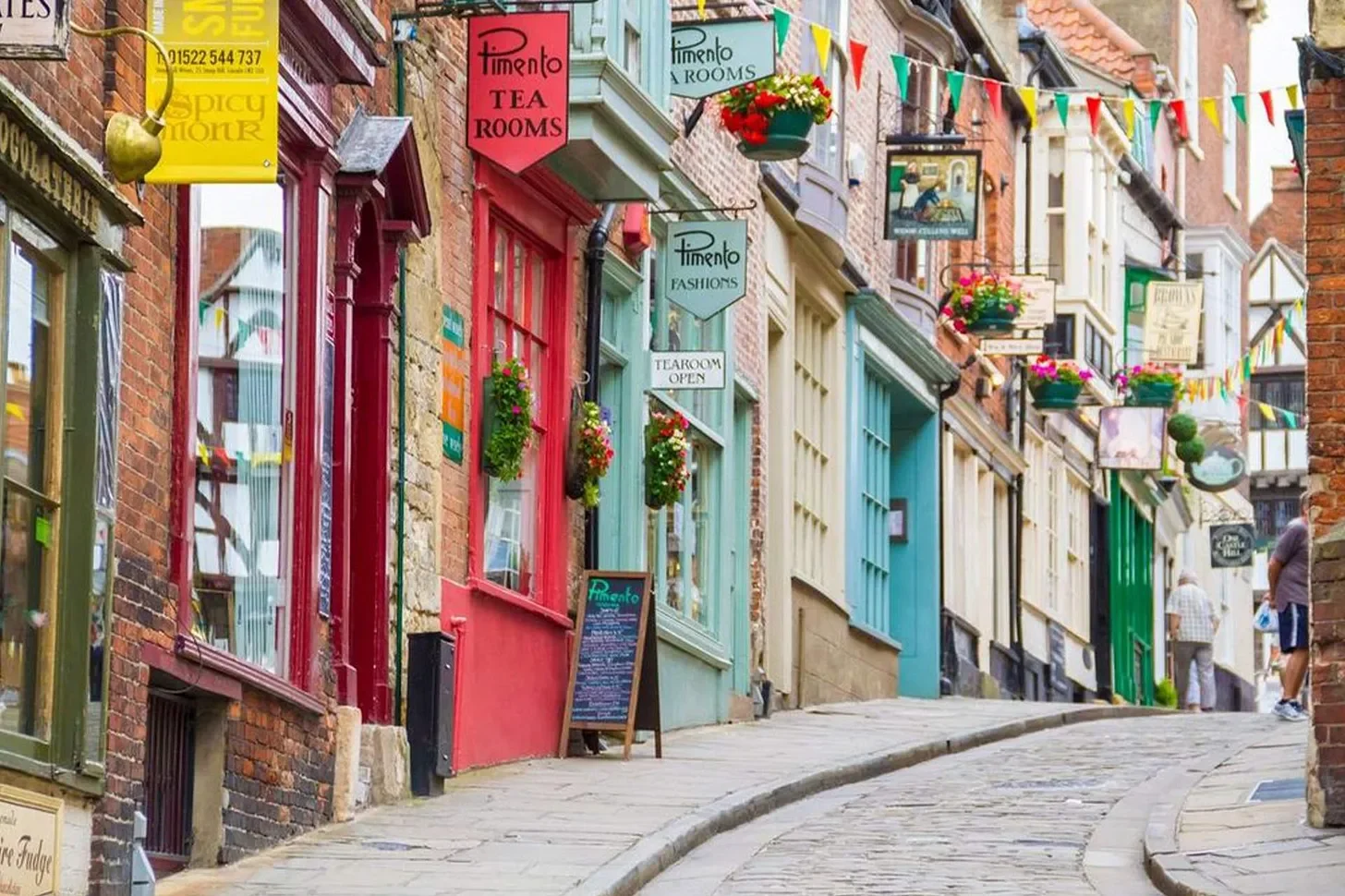
There was a time when the high street was not merely a place where things were bought and sold on the whim. Like most good stories that start in a humble town, it was a place where lives unfolded. The street itself was very much a map or blueprint of relationships. One could walk its length and encounter not anonymous businesses but familiar faces. The butcher knew your father, the baker knows your appetite and the bookseller knows what you ought to read and has gotten to a point where he or she can recommend your next read without you asking. Shops were not simply economic units, they were extensions of families - the core idea of Distributism.

Freedom Without Form: Liberal Abstraction and the Crisis of Humanity
The dominant modern understanding of freedom is increasingly framed not as the capacity for fulfilment, but as liberation from constraint. Freedom, in this register, is imagined as emancipation from limits—biological, moral, cultural, historical—so that the individual may define himself without reference to any given order. Constraint is recast as oppression, and authenticity is identified with the absence of obligation.¹ What is presented as liberation is, in fact, a profound re-description of the human person.
More Artificial Idiocy
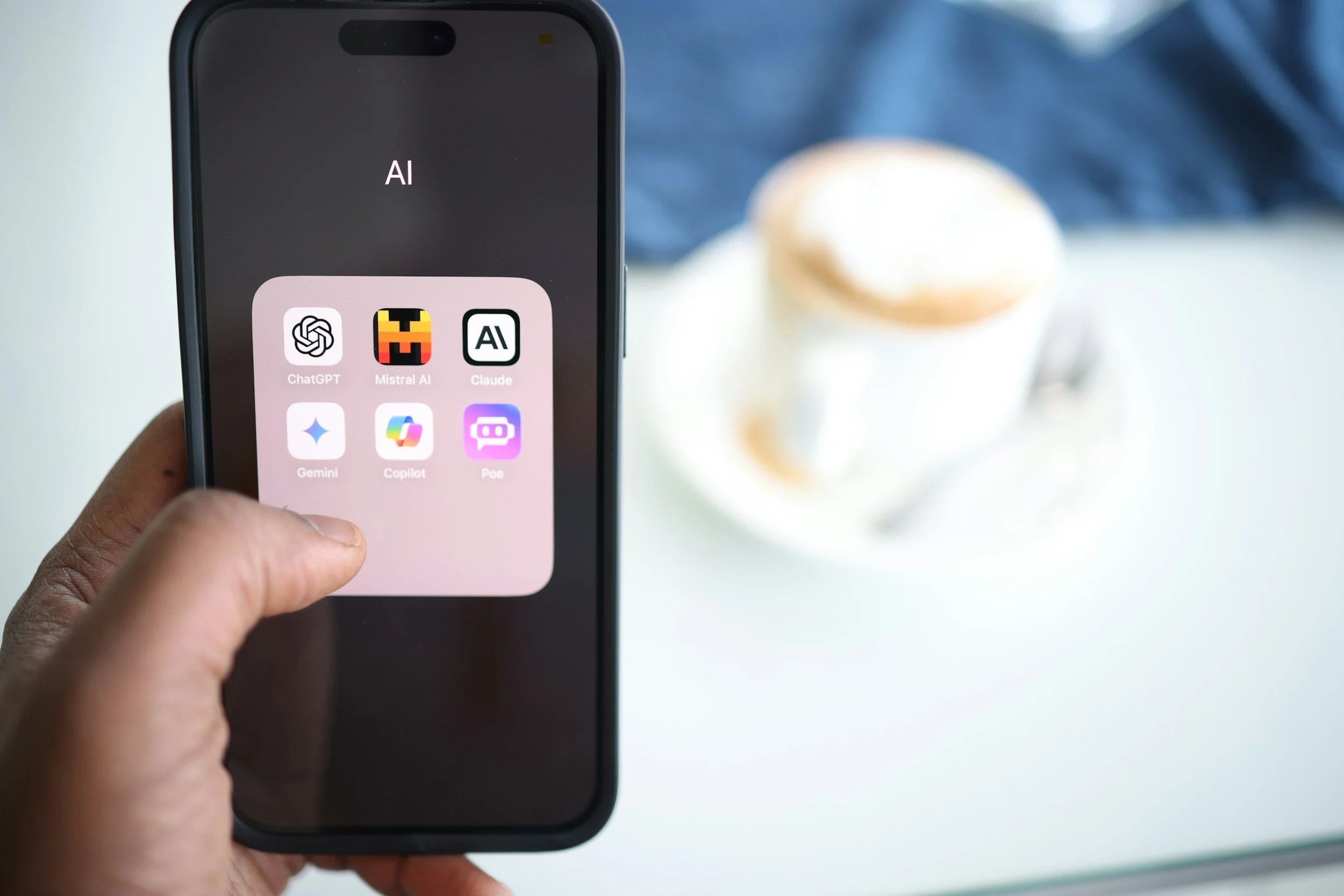
AI is in the news again. At the beginning of the week was the concern Grok was replacing women’s clothes in pictures with a naked female body roughly matching her figure. This caused all sorts of debates about the impact on women and circumventing legal protections around voyeuristic practices. Then, as the week went on we heard West Midlands Police had banned an Israeli team’s fans from a match on the basis of an AI allegation they had caused trouble at a game which never took place!
Courts Circular: A Kafkaesque Journey Through Council Error and Bureaucratic Chaos
Last Saturday I received a letter, apparently from the Council. My initial reaction was that it must be a scam, as it demanded payment of Council Tax plus debt collectors’ fees for a property I haven't owned or lived in for over three years. But as I looked again, I noticed a barcode atop the letter for paying at a Post Office. Would scammers have a contract with the Post Office for payment?

Work, Rest and the Common Good
In the history of Britain’s labour movement there is a curious paradox. The early trade unionist, the chapel deacon, and the Catholic social reformer all found themselves united, though often unwittingly, around a single conviction: that time is not the property of capital. The working man, whether in a Lancashire mill or a Durham colliery or Cornish mine, was not merely a beast of burden to be driven until collapse. He was a creature made for worship, leisure, and fellowship.
‘Christian Nationalism’ or Christian Renewal?
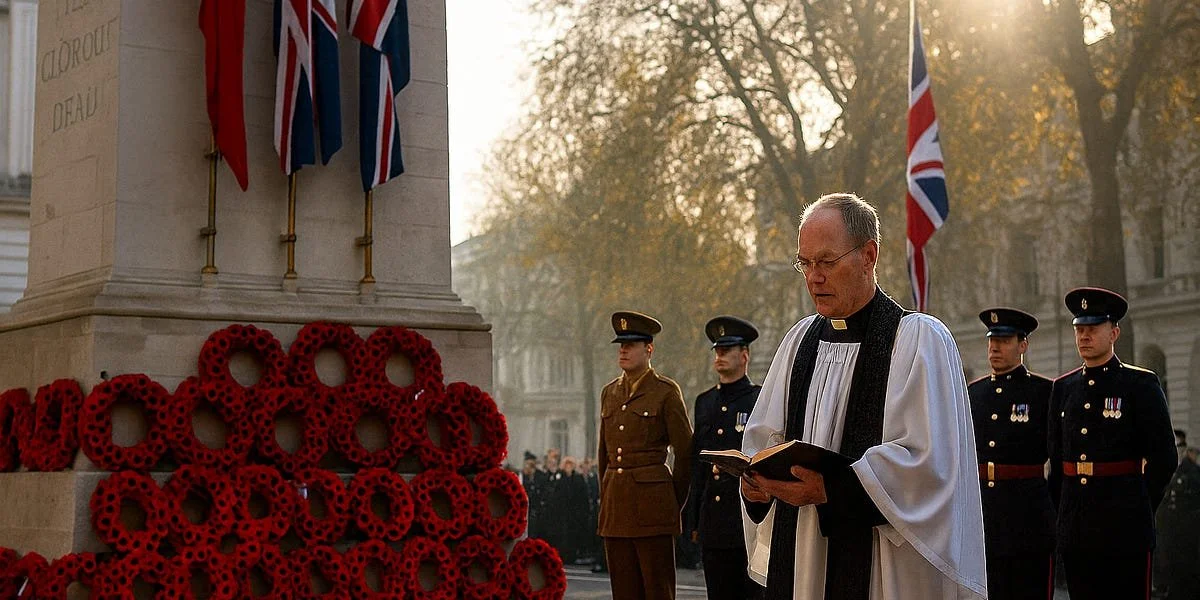
Humanists UK’s report Rising Christian Nationalism: A Threat to Us All treats Christian conviction in public life as if it were inherently extremist. The argument is framed in stark terms: ordinary believers who oppose abortion or euthanasia, who defend the family, or who affirm Britain’s Christian heritage are accused of plotting to “fuse politics with Christianity” and to roll back rights. What is actually happening in Britain is far less sensational, and far more significant: a quiet but real renewal of Christian belief among young people.
Britain’s long march towards a police state
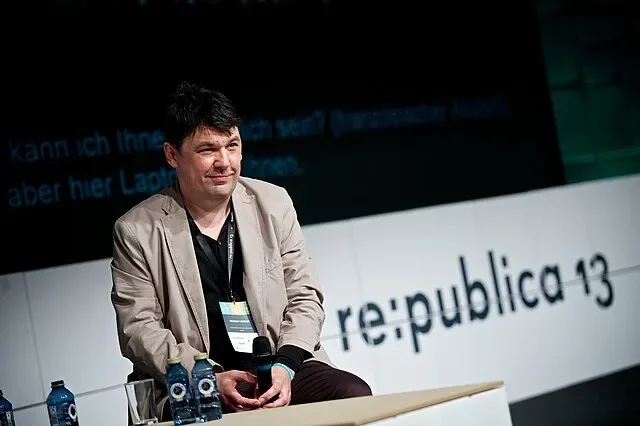
If the news from this week is anything to go by, then Britain is marching towards a totalitarian police state. Comedy writer Graham Linehan was arrested at Heathrow Airport on Monday by five armed police officers. His crime? Making offensive jokes about trans people.
In his Substack blog, Linehan explained that his arrest was for three posts on X. One of the posts read: ‘If a trans-identified male is in a female-only space, he is committing a violent, abusive act. Make a scene, call the cops and if all else fails, punch him in the balls.’
After being arrested, he was interrogated about his political views and held in a cell for 16 hours. He was only released because his blood pressure had reached dangerous levels, and he needed to go to A&E.
This police overreach was cheered on by leftists such as Green Party leader Zac Polanski, who said that it was clearly ‘incitement to violence’. Comedian Marc Burrows also supported the arrest, writing in The Independent, ‘Arresting him isn’t an unprecedented assault on British liberty.’
The Hidden War - How a Religious Schism Shapes the War in Ukraine
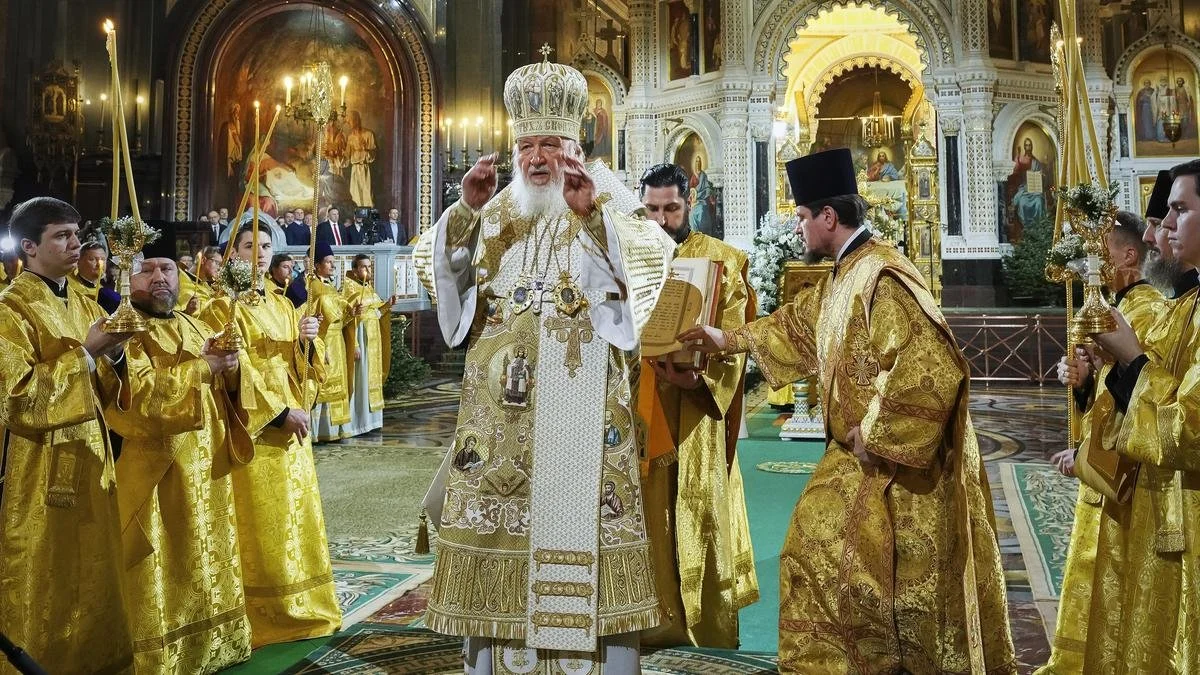
Since Russia’s full-scale invasion of Ukraine in 2022, there has been a hidden war which most Western media have failed to report on. The split between theUkrainian Orthodox Church (UOC-MP), loyal to the Moscow Patriarch, and the Orthodox Church of Ukraine (OCU) may sound like a scene out of Monty Python’s Life of Brian - essentially a split within a split - but it in fact cuts to the core of the Russia-Ukraine War.