The Death of the High Street: A Distributist Perspective
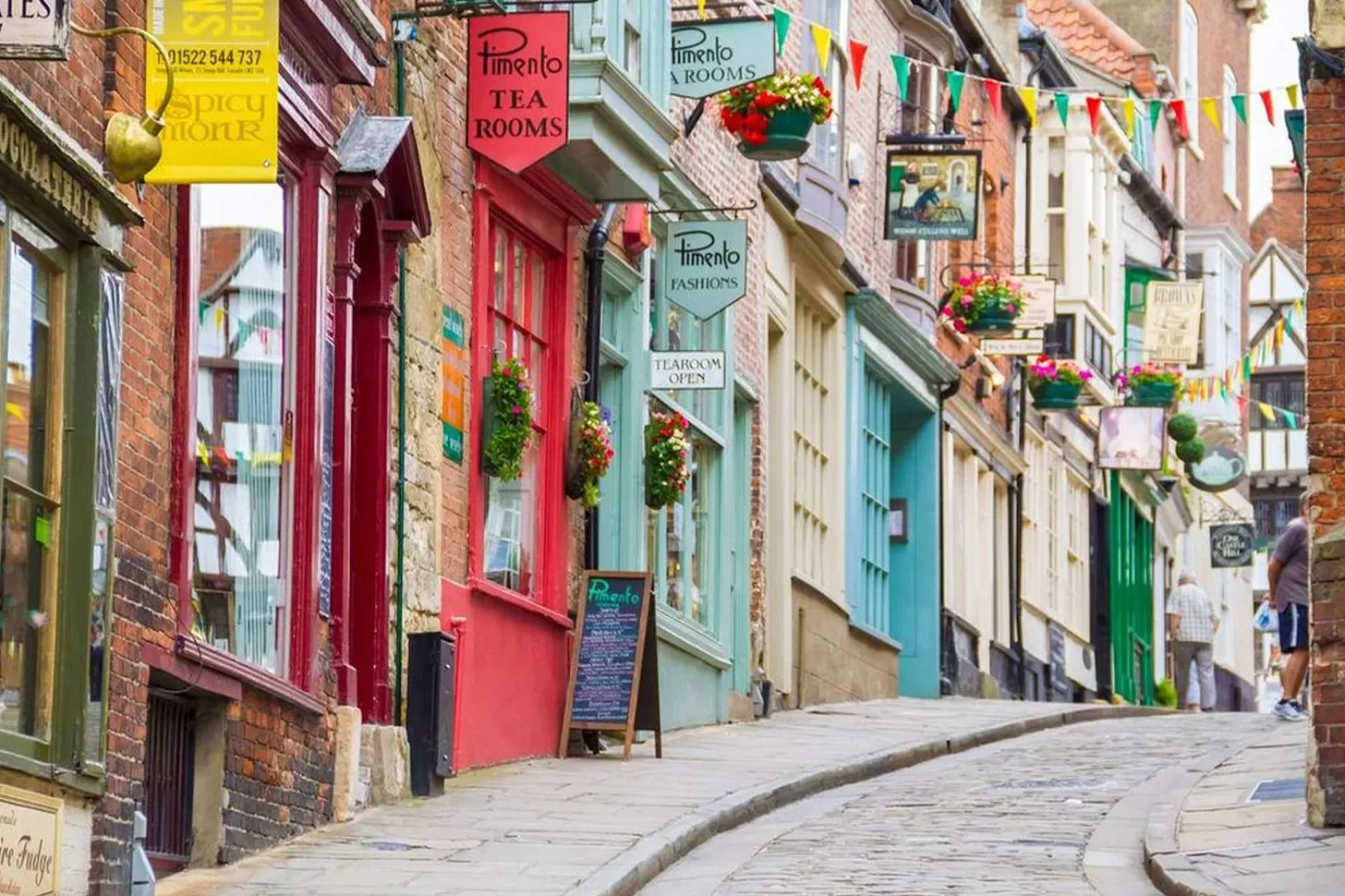
There was a time when the high street was not merely a place where things were bought and sold on the whim. Like most good stories that start in a humble town, it was a place where lives unfolded. The street itself was very much a map or blueprint of relationships. One could walk its length and encounter not anonymous businesses but familiar faces. The butcher knew your father, the baker knows your appetite and the bookseller knows what you ought to read and has gotten to a point where he or she can recommend your next read without you asking. Shops were not simply economic units, they were extensions of families - the core idea of Distributism.
Behind every window stood a household. A man rose to work not because the market demanded it but because the craft required it. A baker wasn’t there to simply produce bread but because he found that soul-lish satisfaction of utilising his skills to bake with techniques passed down from generations. Even the cobbler repaired the same pair of shoes three or more times not because it was profitable but because that was the dignity of the trade. The high street may not have been highly efficient, it was enough, it was human.
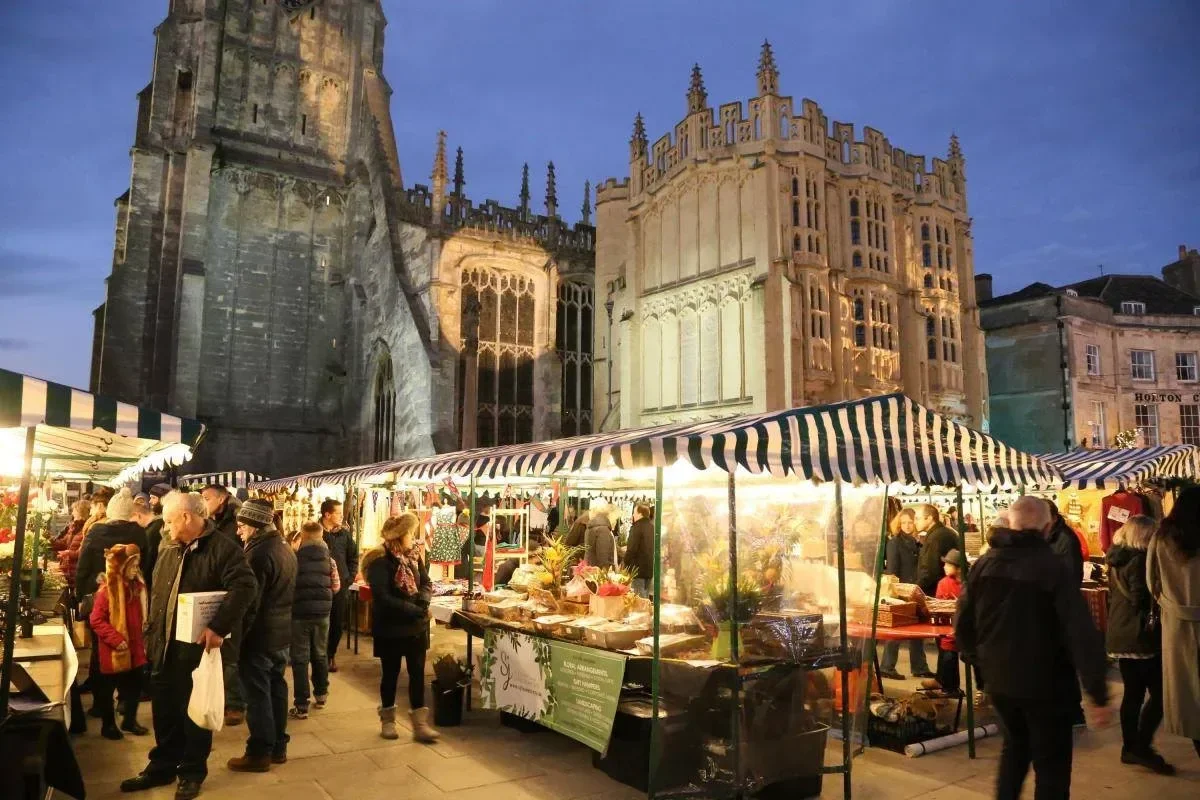
The old high street operated on something modern economists struggle and ultimately fail to understand but ordinary townsfolk knew instinctively: it was built on rootedness. Shops are not meant to be temporary ventures, they were essentially fixtures of the neighbourhood. The grocer or bookstore owner expected to serve the same family for decades. The pharmacist was the quiet custodian of the community’s health and the ironmonger sold tools that would outlive the owner.
These businesses survived because the economic environment allow them to survive. Property was more widely held, rent was manageable assuming they were renting and not operating from their home which is another topic altogether, supply chains were local enough that the small shop could compete without being crushed by scale and in the event competition exists, guilds were created so that everyone is fairly attributed his due. Most importantly, the purpose of the shop was not simply turnover, it was reputation, it was duty to God, family and country.
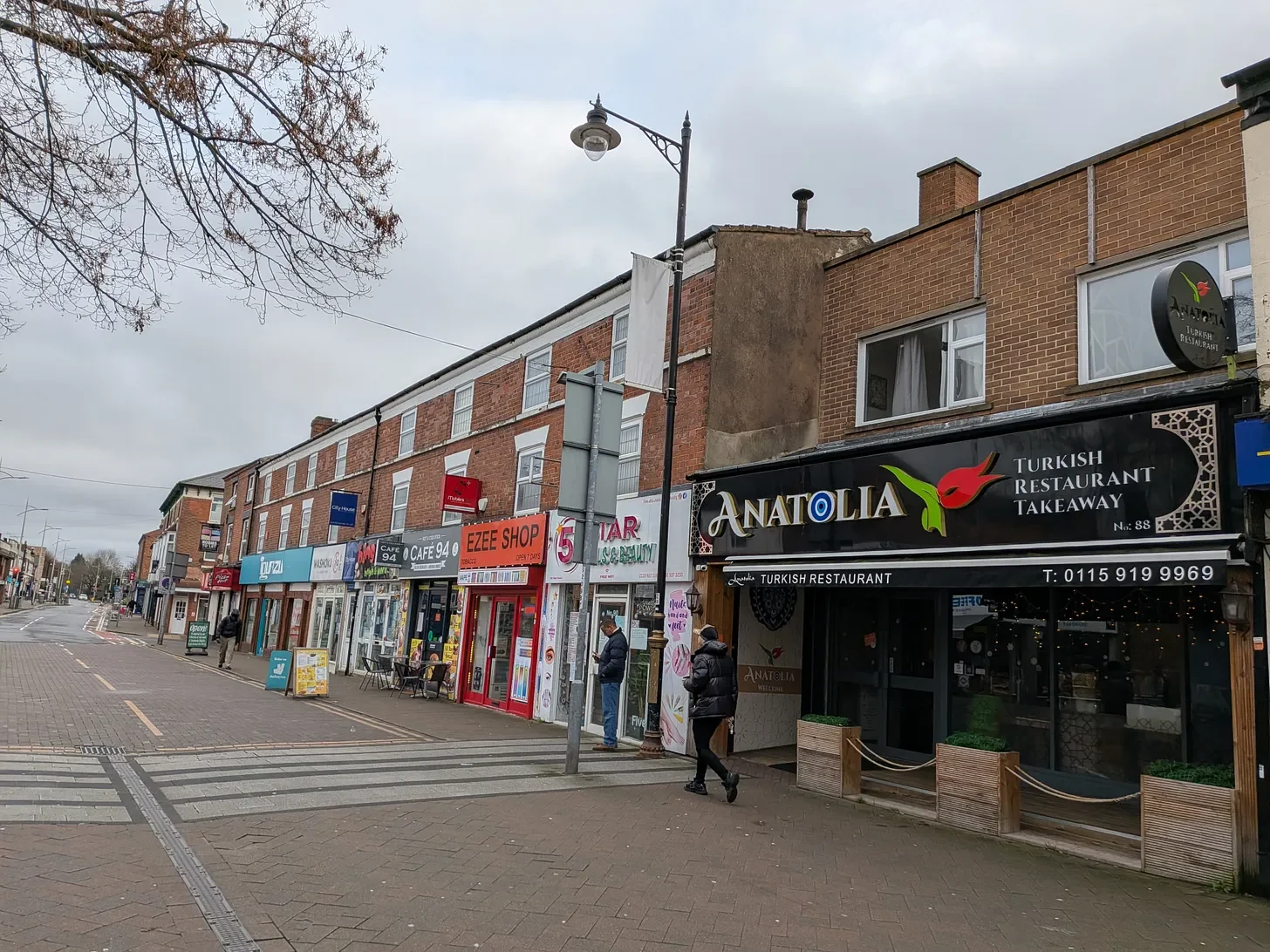
Walk through many high streets in Britain today and the change is impossible to ignore. The street still exists but its spirit has vanished. One encounters a very strange scene, often in repetition. Vape shops, betting shops with darkened windows, phone repair stalls, cheap takeaway outlets, cheap signs with the same lazy font advertising cheap products. The street feels less like a neighbourhood and more like a ghetto of cheap transactions.
And yes we can blame immigration and cultural change and what not but the problem is much deeper. As a Lebanese, our diaspora blend well in the environment. They understand the theme and they abide by it. That lies one of the problem, not all want to abide by the culture. That being said, I will return to that symptom later, the main cause from an economic standpoint is that the modern high street has become temporary.
Many of these businesses that fill these spaces are not built to last twenty years, they’re built to last 12 months. The picture I took above is mine at Beeston Nottingham. I can promise you that 12 months later, it’ll be different shops but with probably Turkish barbers and the next smoking trend. Everything is a mess. The rents are high, margins are thing and the ownership of the buildings themselves often lies far away from the community they serve.
We’ve seen this over the past decade and more, property ownership has steadily been concentrated into the hands of the few while rents have steadily climbed. More and more people do not own the buildings of the high street. The bakery cannot operate on a knife edge because bread requires early mornings, skilled labour and consistent customers. When rent swallows most of the margins, the bakery disappears. The butcher struggles against supermarket supply chains that operate on an industrial scale. Many businesses go out of business because it is easier to buy than repair.
As a result of this poisonous economic system that values profit over people, we understand why vape, cheap takeaways and betting shops draw revenue - they do so because they prey on addiction rather than community loyalty. They prey on the sinful nature of man. They see man at his worst and take advantage of it.
As we lose the community, we see how economic life becomes anonymous and as a result, beauty disappears with it. A street that no longer belongs to anyone begins to look like it belongs nowhere. The aesthetic of the street deteriorates. See below an image of Steep Street in Lincoln UK.
A shop would usually reflect the personality of the person behind the counter. Window displays carried the signature of the proprietor. Signs were painted rather than printed in plastic. The rhythm of the street changed with the seasons. I recall our local bookstore would stack ‘A Christmas Carol’ by Charles Dickens rather than the new published biography of some political leader that just happened to come out around Christmas season. Shop owners living and working side by side would support one another.
This is why the death of the high street should concern anyone who cares about the future of Britain’s communities. It isn’t simply an economical problem, it is a civilisational one because that is precisely what Distributism is. Distributism does not promote a utopia, it reminds man that dignity is worth having.
The distributist thinkers of the last century understood something that modern policy has forgotten: a society is healthiest when property is widely distributed rather than concentrated in a few and distant hands. Ownership anchors people to home. When a family owns a shop they operate, they become stewards of the street rather than temporary tenants within it.
I have noticed people who own these shops tend to clean the street outside their shops. These small acts may seem like nothing but they are revolutionary. They are practical expressions of the economical balance. The shopkeeper whose children attended the local school naturally invested in the well being of the surrounding streets. There’s a sense of patriotism and love for their fellow neighbours that you will not find in the modern high street.
The principle is simple but powerful. Ownership creates responsibility. Responsibility creates stability. Stability allows culture to take root.
Anytime property drifts upwards into fewer and fewer hands, local businesses become transient and the local street resembles ghettos.
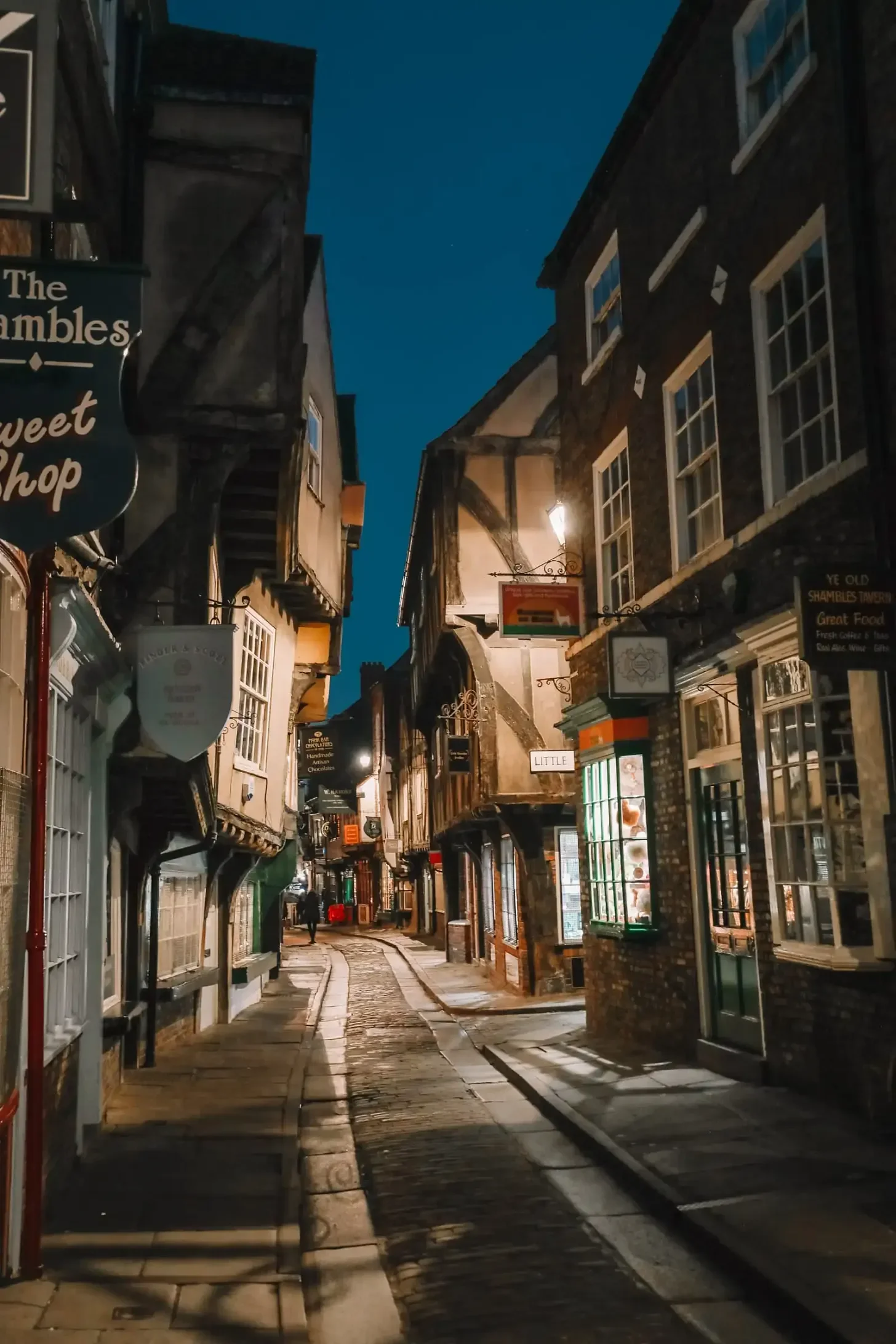
The goal of this post is not nostalgia, I don’t expect every street to look like the old town of York (Pictured above) although I would personally prefer it. I would also like to point out that I understand the world isn’t as it was 50 years ago and new commerce would inevitably and obviously arise, I’m saying the principle is still the same as it was since the feudal era. Britain’s high streets were once a place where economic and social life intertwined. They were places where people didn’t just buy bread but thanked the man who baked it. Children need to grow up recognising the face behind the counter.
If we wish to see those streets alive again, the solution will not be found in marketing campaigns or seasonal decorations, it will require restoring the conditions that allow ordinary families to build lasting enterprises within their own communities.
The revival of the high street is ultimately the revival of ownership, craft and place - and with it, the revival of culture, kinship, dignity and all the virtues that once personified England.
With this in mind, it doesn’t become a place of commerce but a place of belonging.